
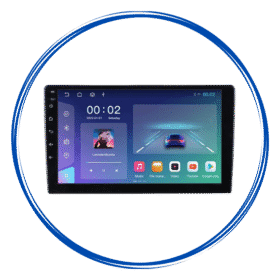
 9/10″ Android Stereo with Frame
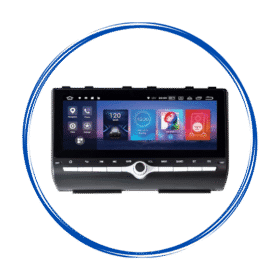 Car Specific OEM Type Android Stereos
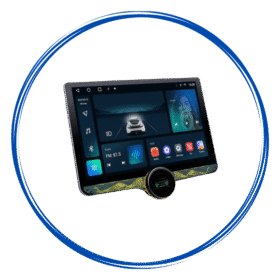 Diamond 2K Android Stereos
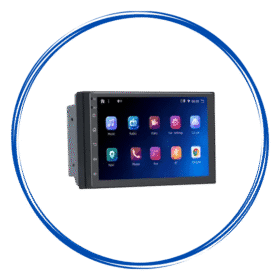 7″ Inch Android Stereos
 Amplifiers
 Speakers
 Damping Sheets
 Subwoofer & Basstube
 Canbus & Harness
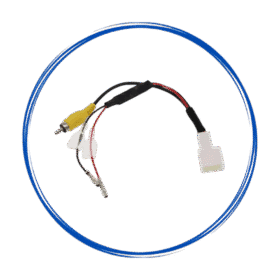 Camera Activator
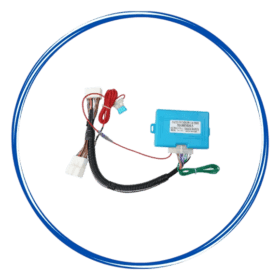 Auto Window Closer
 Oem Usb Activator
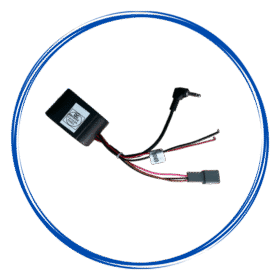 Oem Mic Activator
 Power Coupler
 Radio Antena Cable
 Reverse Cameras
 Dash Camera
 360 Cameras
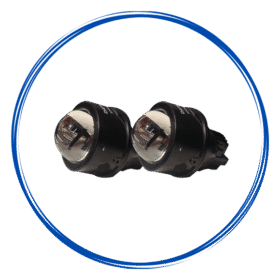 Fog Lamp
 Car Ambient Light
 Stereo Frames
 Projector Foglamp Brackets
 Car Charger
 Car Mobile Holder
 Tyre Inflator
 Car Screen Guard
 Key Covers
Fog Lamps
How Fog Lamps Can Prevent Accidents in Low Visibility?
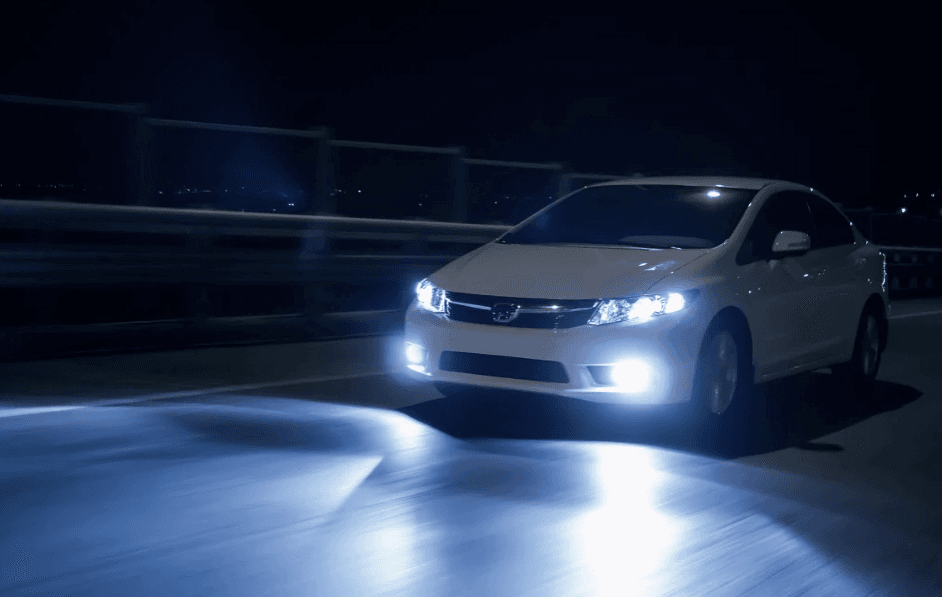
Driving in low-visibility conditions – such as fog, heavy rain, dust storms, or snow – can be extremely dangerous. Reduced visibility limits your ability to see the road ahead and makes it harder for other drivers to notice your vehicle. This is where car fog lamps play a crucial role in improving safety and preventing accidents.
In this blog, we’ll explore how fog lamps work and how they help reduce the risk of accidents in challenging driving conditions.
What are Fog Lamps?
Fog lamps are specially designed lights mounted low on the front (and sometimes rear) of a vehicle. Unlike regular headlights, they emit a wide, low beam that cuts through fog, mist, and other visibility obstacles without reflecting back into the driver’s eyes
Why Low Visibility is Dangerous?
Low-visibility conditions can lead to:
- Delayed reaction times
- Difficulty spotting road signs and obstacles
- Increased chances of collisions
- Poor judgment of distance between vehicles
Without proper lighting, even experienced drivers can struggle to navigate safely.
How Fog Lamps Help Prevent Accidents?
1. Improved Road Visibility
Fog lamps are angled downward toward the road, illuminating the surface directly in front of your car.
Benefit:
You can clearly see lane markings, curbs, and road edges, reducing the risk of drifting or losing control.
2. Reduced Glare and Reflection
Standard headlights often reflect off fog, rain, or snow, creating a blinding glare.
How Fog Lamps Help:
Their low and wide beam minimizes reflection, allowing you to see more clearly without glare interfering with your vision.
3. Better Visibility for Other Drivers
Fog lamps make your vehicle more visible to others, especially in dense fog or heavy rain.
Benefit:
Other drivers can spot your car from a distance, reducing the chances of rear-end collisions or side impacts.
4. Enhanced Peripheral Vision
Fog lamps spread light horizontally, improving side visibility.
Benefit:
You can better detect pedestrians, animals, or obstacles at the edges of the road.
5. Increased Driver Confidence
Driving in poor visibility can be stressful and intimidating.
Also Read: Why Fog Lamps Are Essential for Safe Driving in Low Visibility?
How Fog Lamps Help?
Improved visibility boosts driver confidence, allowing for better decision-making and safer driving.
When Should You Use Fog Lamps?
Fog lamps are most effective in:
- Dense fog
- Heavy rain
- Snowfall
- Dust or smoke-filled roads
Important Tip:
Avoid using fog lamps in clear weather, as they can be too bright and may distract or blind other drivers.
Front vs Rear Fog Lamps
- Front Fog Lamps: Help you see the road better
- Rear Fog Lamps: Make your vehicle visible to drivers behind you
Using both correctly enhances overall road safety.
Additional Safety Tips
- Drive at a reduced speed in low visibility
- Maintain a safe distance from other vehicles
- Use fog lamps along with low-beam headlights (not high beams)
- Keep your fog lamps clean and properly aligned
Conclusion
Low-visibility driving conditions are unpredictable and risky, but the right equipment can make a significant difference. Fog lamps are not just an accessory – they are an essential safety feature that enhances visibility, reduces glare, and helps prevent accidents.
By using fog lamps correctly and combining them with safe driving practices, you can navigate even the toughest weather conditions with greater confidence and safety.

 Dashboard
 My Orders
 Edit Address
 Account details
 Wishlist
 Car Audio
 Cables & Harness
 Car Security
 Car Lighting
 Frames & Brackets
 Car Utility