
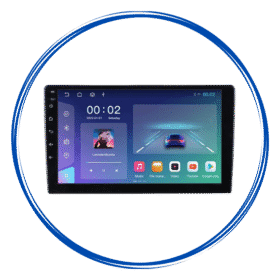
 9/10″ Android Stereo with Frame
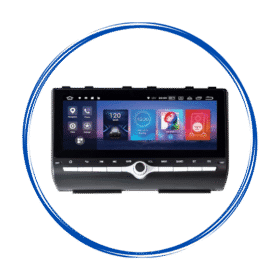 Car Specific OEM Type Android Stereos
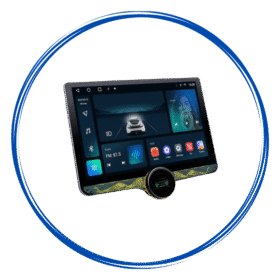 Diamond 2K Android Stereos
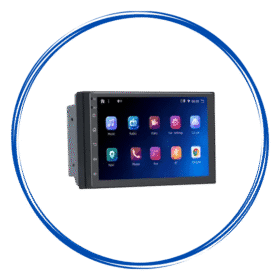 7″ Inch Android Stereos
 Amplifiers
 Speakers
 Damping Sheets
 Subwoofer & Basstube
 Canbus & Harness
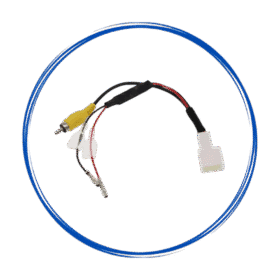 Camera Activator
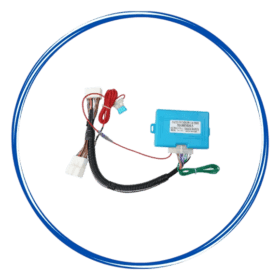 Auto Window Closer
 Oem Usb Activator
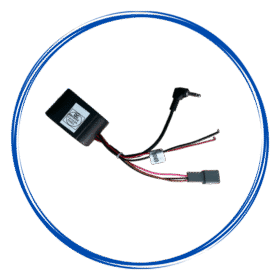 Oem Mic Activator
 Power Coupler
 Radio Antena Cable
 Reverse Cameras
 Dash Camera
 360 Cameras
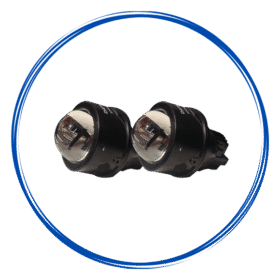 Fog Lamp
 Car Ambient Light
 Stereo Frames
 Projector Foglamp Brackets
 Car Charger
 Car Mobile Holder
 Tyre Inflator
 Car Screen Guard
 Key Covers
Fog Lamps
How to Choose Fog Lamps Based on Your Driving Conditions?
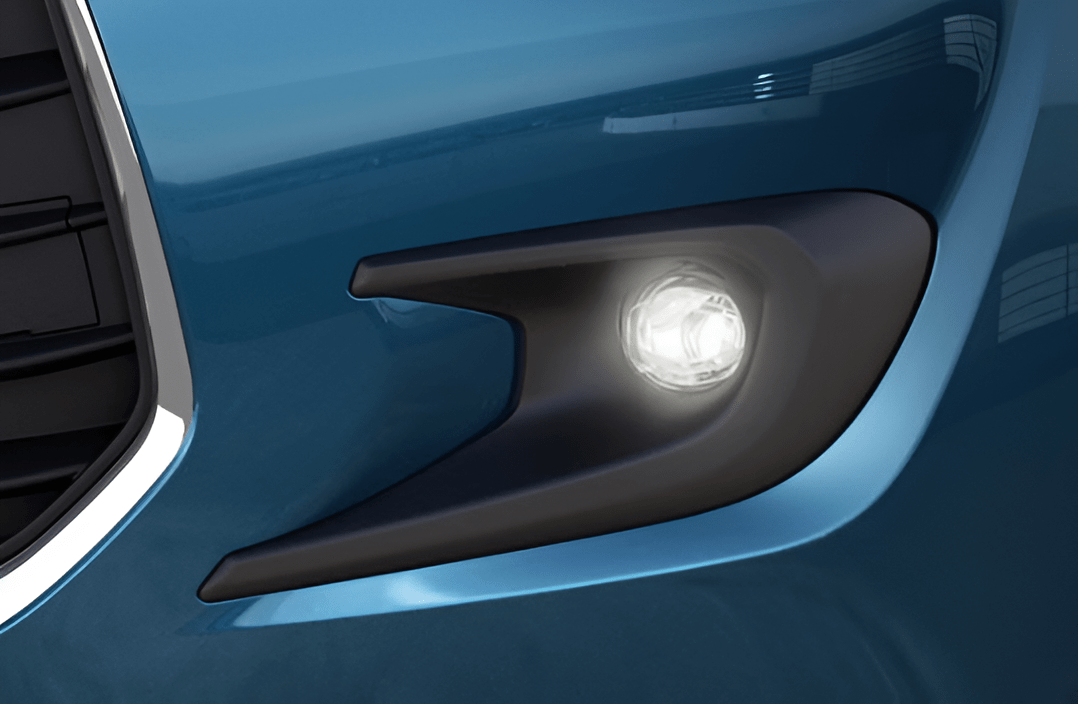
Driving conditions can change quickly, especially during fog, heavy rain, dusty weather, or nighttime journeys. While your vehicle’s headlights provide general illumination, the right fog lamps can improve visibility closer to the road and help you see road edges and markings more clearly in certain low-visibility situations.
However, not every fog lamp is suitable for every driving condition. Choosing the right option requires considering factors such as weather, road type, driving frequency, beam pattern, light colour, and vehicle compatibility.
Why Choosing the Right Fog Lamp Matters?
Fog lamps are designed to provide a controlled, relatively low beam of light that can be useful when visibility is reduced. A well-designed fog lamp can help illuminate the area immediately in front of the vehicle without unnecessarily directing intense light into airborne moisture.
The goal should not simply be to choose the brightest lamp. Instead, focus on beam pattern, optical design, reliability, and suitability for your typical driving conditions.
1. Foggy Weather
If you frequently drive in areas where dense fog is common, choose fog lamps with a well-defined, wide beam pattern.
A controlled beam can help illuminate the road surface and edges while reducing excessive upward light that may reflect from fog droplets and create glare.
Look for:
- Wide and controlled beam distribution
- Low mounting position where compatible with the vehicle
- Quality optics
- Reliable weather protection
- Appropriate light output rather than maximum brightness
Yellow or selective-yellow lighting is sometimes preferred for fog because it can provide good contrast for some drivers, although beam design and lamp quality are more important than colour alone.
2. Heavy Rain
Rain can significantly reduce visibility and create reflections from wet roads. If you regularly drive during monsoon conditions, choose fog lamps designed to provide a controlled beam without excessive glare.
Water resistance is particularly important because lamps mounted low on the vehicle can be exposed to splashes, puddles, and road debris.
Consider fog lamps with:
- Good water and dust resistance
- Durable housing
- Proper sealing
- A wide, controlled beam
- Reliable electrical connections
Always check the manufacturer’s specifications for the lamp’s actual ingress-protection rating rather than assuming that every LED fog lamp is equally weatherproof.
3. Dusty or Hazy Roads
Drivers in dry, dusty environments may need additional road-edge visibility without excessive forward glare.
A fog lamp with a properly controlled beam can help illuminate the immediate road area. However, increasing brightness excessively is not necessarily the answer because suspended dust particles can scatter light back toward the driver.
For dusty conditions, prioritize beam control and optical quality over raw brightness.
4. Night-Time Highway Driving
If you regularly drive on highways at night, fog lamps can provide useful supplementary illumination, but they should not be treated as a replacement for properly aimed headlights.
For highway driving, look for lamps that complement your vehicle’s existing lighting system without producing unnecessary glare for other road users.
Before upgrading, check:
- Beam pattern
- Lamp position
- Compatibility with your vehicle
- Electrical load
- Proper aiming
- Local lighting regulations
A high-quality headlight system remains the primary source of long-range illumination.
5. City Driving
City roads usually have streetlights, traffic, pedestrians, signs, and other vehicles. In these conditions, excessively powerful fog lamps may provide little practical benefit and can cause unnecessary glare.
For urban driving, compact fog lamps with moderate output and a controlled beam are generally more appropriate.
Choose a model that improves near-field visibility without becoming distracting to other road users.
6. Rural and Poorly Lit Roads
Rural roads can have limited street lighting, uneven surfaces, pedestrians, animals, and poorly marked edges. Here, good near-road illumination can be particularly useful.
If your vehicle supports fog lamps, choose a design that provides broad coverage close to the vehicle while allowing the main headlights to handle longer-distance illumination.
For frequently driven rural roads, durability should also be a major consideration because the lamps may encounter dust, mud, water, and stones.
7. Off-Road or Rough-Terrain Driving
If your vehicle is regularly used on rough roads or trails, durability becomes especially important.
Look for fog lamps with:
- Strong housing
- Secure mounting
- Good vibration resistance
- Appropriate dust and water protection
- Durable lenses
- Reliable wiring and connectors
However, off-road lighting should be used responsibly and in accordance with applicable laws. Auxiliary lighting intended for off-road use may not be appropriate for public-road driving.
Also Read: Why Every Car Owner Should Invest in Reliable Fog Lamps?
LED vs Halogen Fog Lamps: Which Should You Choose?
The technology used in a fog lamp can affect performance, efficiency, heat generation, and lifespan.
LED Fog Lamps
LED lamps are popular because they can provide high light output with relatively low power consumption and are available in compact designs.
Advantages include:
- Efficient operation
- Long service life in quality products
- Compact construction
- Fast illumination
- Modern designs
However, LED performance depends heavily on the quality of the LED, optics, thermal management, and overall lamp design.
Halogen Fog Lamps
Halogen lamps have traditionally been used in automotive lighting and remain available for many vehicles.
Potential advantages include:
- Familiar technology
- Straightforward replacement in compatible applications
- Predictable optical characteristics when used with the correct housing
When choosing between LED and halogen, don’t judge the lamp solely by its stated wattage or brightness. The complete optical system matters.
Should You Choose Yellow or White Fog Lamps?
Light colour is another factor buyers often consider.
Yellow light is traditionally associated with fog lamps and may help some drivers distinguish illuminated objects against certain weather conditions.
White light is widely used in modern automotive lighting and can provide a neutral appearance and strong illumination.
There is no universal rule that one colour is always better. Beam pattern, optical quality, positioning, aiming, and the actual weather conditions have a greater influence on practical performance.
Check Compatibility Before Buying
Before purchasing fog lamps, make sure they are compatible with your vehicle.
Check:
- Vehicle make and model
- Available mounting space
- Bulb or lamp type
- Electrical requirements
- Connector type
- Housing dimensions
- Mounting method
- Compatibility with the vehicle’s electrical system
For a replacement bulb, also verify that the bulb type matches the vehicle manufacturer’s specification.
Don’t Choose Fog Lamps Based Only on Brightness
One of the most common mistakes is assuming that the brightest fog lamp is automatically the best.
Excessive light can create glare, especially when it reflects from fog, rain, dust, or other atmospheric particles. It can also inconvenience approaching drivers if the lamp is poorly aimed.
Instead, consider the complete package:
Beam pattern + optical quality + durability + compatibility + appropriate light output = better fog-lamp choice.
Follow Local Regulations
Automotive lighting requirements can vary depending on the country, vehicle type, and road-use conditions. Before installing aftermarket fog lamps, check the applicable regulations and your vehicle manufacturer’s recommendations.
Correct installation and aiming are just as important as the lamp itself.
Conclusion
The best fog lamp depends on where, when, and under what conditions you drive. Drivers who frequently encounter dense fog should prioritize a controlled, wide beam. Those driving in heavy rain should consider weather-resistant construction, while rural and rough-road drivers may benefit from durable lamps designed for demanding environments.
Rather than choosing a fog lamp simply because it is brighter or more expensive, evaluate its beam pattern, optical design, durability, compatibility, and intended use.
A properly selected and correctly aimed fog lamp can be a useful addition to your vehicle’s lighting system when visibility conditions become challenging.

 Dashboard
 My Orders
 Edit Address
 Account details
 Wishlist
 Car Audio
 Cables & Harness
 Car Security
 Car Lighting
 Frames & Brackets
 Car Utility