
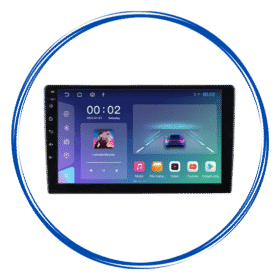
 9/10″ Android Stereo with Frame
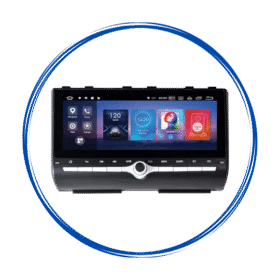 Car Specific OEM Type Android Stereos
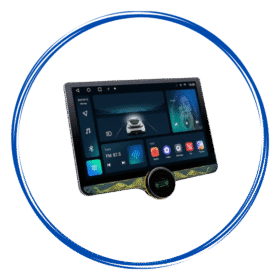 Diamond 2K Android Stereos
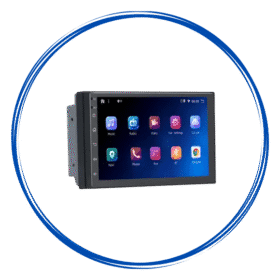 7″ Inch Android Stereos
 Amplifiers
 Speakers
 Damping Sheets
 Subwoofer & Basstube
 Canbus & Harness
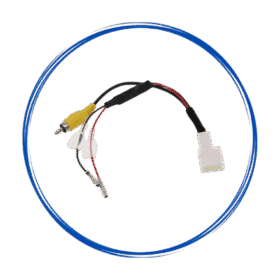 Camera Activator
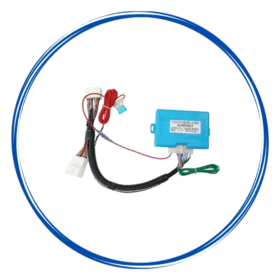 Auto Window Closer
 Oem Usb Activator
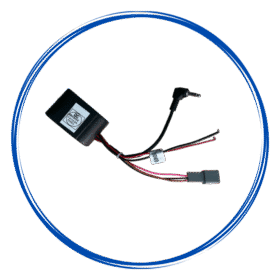 Oem Mic Activator
 Power Coupler
 Radio Antena Cable
 Reverse Cameras
 Dash Camera
 360 Cameras
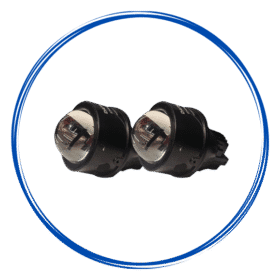 Fog Lamp
 Car Ambient Light
 Stereo Frames
 Projector Foglamp Brackets
 Car Charger
 Car Mobile Holder
 Tyre Inflator
 Car Screen Guard
 Key Covers
Car Reverse Camera
How Car Reverse Camera Help Reduce Blind Spots?
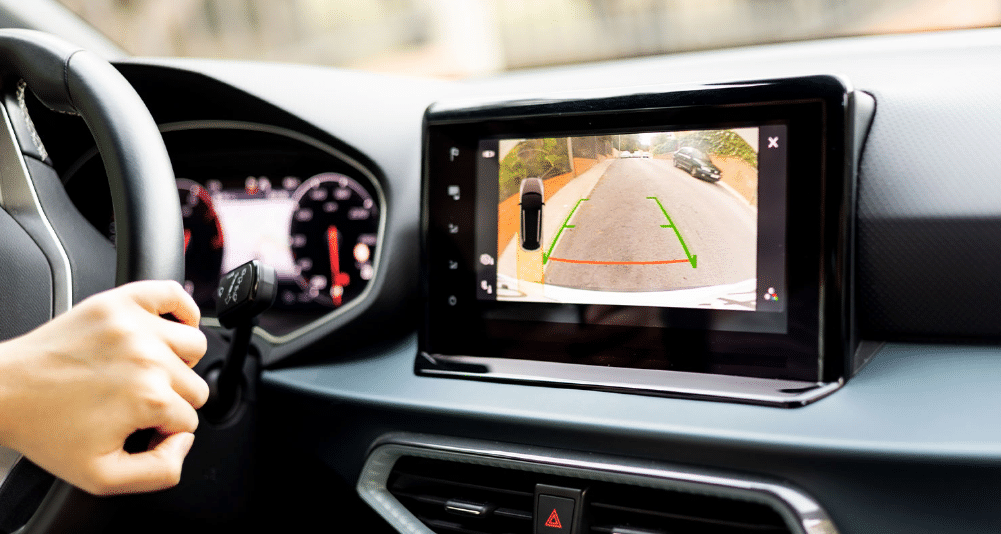
Visibility is one of the most important aspects of safe driving. When manoeuvring a vehicle, drivers rely on the windshield, side mirrors, and rearview mirror to understand what is happening around them. However, these viewing areas cannot always provide a complete picture, especially when reversing.
This is where a car reverse camera can be useful. By providing a live view of the area behind the vehicle, a reverse camera can supplement the driver’s existing visibility and help reduce some rear blind spots.
Let’s understand how reverse cameras work and how they can make reversing and parking easier.
What is a Blind Spot?
A blind spot is an area around a vehicle that cannot be seen directly by the driver or through the vehicle’s mirrors.
The size and location of blind spots can vary depending on the vehicle’s design. Larger vehicles, SUVs, vans, and vehicles with limited rear visibility may have larger areas that are difficult to observe.
When reversing, these unseen areas can make it harder to identify obstacles, pedestrians, vehicles, or other objects behind the car.
How Does a Reverse Camera Help?
A reverse camera is typically installed at the rear of a vehicle and connected to a display inside the cabin. When reverse gear is selected, the display shows a live image from the camera.
This gives the driver an additional view that complements the rearview mirror and side mirrors.
Here are some of the main ways it can help reduce rear visibility limitations.
1. Provides an Additional View Behind the Vehicle
The most obvious benefit of a reverse camera is that it provides a direct view of the area behind the vehicle.
Instead of relying only on mirrors, drivers can see the rear area on the display while reversing. This can make it easier to identify objects that might otherwise be difficult to notice.
2. Helps Identify Low-Level Obstacles
Some objects close to the ground can be difficult to see from the driver’s seat. Depending on the camera’s position and viewing angle, a reverse camera may help bring certain low-level obstacles into view.
These could include:
- Curbs
- Parking blocks
- Small barriers
- Low walls
- Objects lying behind the vehicle
The camera’s field of view varies by model, so drivers should not assume that every object will be visible.
3. Improves Visibility in Tight Parking Areas
Crowded parking spaces often leave very little room for manoeuvring. A vehicle may be surrounded by other cars, walls, pillars, or barriers.
A reverse camera can provide a clearer view of the rear area while the driver makes slow adjustments. This can help with positioning the vehicle within a tight space.
4. Helps With Rear Blind Areas in Larger Vehicles
SUVs, vans, MPVs, and other larger vehicles can have limited rear visibility because of their size and design.
A reverse camera can provide an additional perspective that may be particularly useful when backing into parking spaces or reversing in confined areas.
However, it does not eliminate all blind spots around a large vehicle.
Also Read: How a Car Reverse Camera Enhances Safety and Parking Accuracy?
5. Makes Parking Guidelines Easier to Follow
Many reverse camera systems display guidelines on the screen. These lines can help drivers understand the approximate direction of the vehicle as the steering wheel is turned.
Some systems may also provide distance indicators.
These features are designed to assist with parking, but they are not a substitute for checking the actual surroundings.
6. Supports Better Awareness While Reversing
When reversing, drivers need to monitor multiple things at once. A reverse camera adds another source of information that can help improve awareness of the area directly behind the car.
Using the camera together with mirrors and direct observation gives the driver multiple perspectives instead of depending on one viewing method.
7. Can Be Useful in Low-Light Conditions
Many modern reverse cameras are designed to provide usable images in low-light environments. Some models include night vision or enhanced low-light technology.
This can be helpful when parking in garages, residential areas, or parking lots after dark.
The effectiveness of night-time visibility depends on factors such as camera quality, available lighting, lens condition, and weather.
8. Helps Drivers Reverse More Carefully
A reverse camera can make drivers more aware of their surroundings while backing up. Seeing the available space on the display may encourage slower and more controlled movements.
However, the camera itself does not make a vehicle automatically safe. Drivers still need to check their surroundings and be prepared to stop whenever necessary.
Reverse Camera vs Mirrors: Why Both Matter?
A reverse camera should not replace your vehicle’s mirrors. Instead, the two systems work best together.
Mirrors can help you:
- Monitor the sides of the vehicle
- Observe approaching traffic
- Check adjacent vehicles
- Monitor areas outside the camera’s field of view
A reverse camera can help you:
- View the area directly behind the vehicle
- Identify certain obstacles behind the car
- Assist with parking alignment
- Provide an additional rear perspective
Using all available visibility tools gives drivers a more complete understanding of their surroundings.
What Can a Reverse Camera Not See?
Although reverse cameras are useful, they have limitations. Depending on the vehicle and camera design, they may not show:
- Areas immediately outside the camera’s viewing angle
- Certain areas close to or underneath the bumper
- Objects approaching from the sides
- Areas blocked by dirt, rain, snow, or other obstructions
- Everything visible through the driver’s mirrors
For this reason, drivers should never rely exclusively on the camera when reversing.
Tips for Using a Reverse Camera Safely
To get the most benefit from a reverse camera, follow a few simple habits:
- Check all mirrors before reversing.
- Look around the vehicle before moving.
- Keep the camera lens clean.
- Reverse slowly in crowded areas.
- Use the camera as an additional visibility tool.
- Do not rely entirely on parking guidelines.
- Stop immediately if you are unsure about an obstacle.
- Remain alert for pedestrians, cyclists, and moving vehicles.
Conclusion
A car reverse camera can help reduce some rear visibility limitations by providing drivers with an additional view of the area behind their vehicle. It can be particularly helpful when parking, reversing in tight spaces, or manoeuvring larger vehicles.
However, a reverse camera does not completely eliminate blind spots. The safest approach is to combine the camera with mirrors, direct observation, careful speed control, and proper reversing techniques.
When used correctly, a reverse camera can be a practical addition to a vehicle’s parking and visibility system, making everyday reversing more convenient and controlled.

 Dashboard
 My Orders
 Edit Address
 Account details
 Wishlist
 Car Audio
 Cables & Harness
 Car Security
 Car Lighting
 Frames & Brackets
 Car Utility